Why strength training is important for volleyball players

07/30/2025 |

Strength is a critical component of the modern volleyball game. Whether you’re blocking, hitting, serving, or defending—without a solid physical foundation, you’re playing catch-up. Yet strength training often remains overlooked in volleyball, especially at the youth and recreational levels.

In this blog, we’ll dive into why strength matters, how to integrate it into your training sessions, and we’ll share practical exercises, tips, and insights you can apply at any level of play.

Why strength matters in volleyball

Volleyball is an explosive sport. Players have to react, jump, land, sprint, and change direction in a fraction of a second. All these movements require functional strength, not just raw muscle mass, but also control, stability, and speed.

Proper strength training contributes to:

Strength training also supports mental development. Players who feel physically stronger gain confidence on the court. They feel more stable, more resilient, and more capable. Especially for younger athletes, this can be a game changer.

When should athletes start strength training?

It’s safe to start basic strength training around age 12, using bodyweight exercises like planks, squats, and lunges. Around 14–15 years, athletes can begin more targeted and intense training, as long as it’s supervised. Technique always comes before added weight.

The goal isn’t to build bulky muscles, but to help young athletes move efficiently, stay injury-free, and develop coordination, balance, and body control.

What does strength mean in volleyball?

Strength is a broad concept. In volleyball, several types of strength are particularly important:

  • Explosive strength: the ability to generate force quickly, such as when jumping.
  • Reactive strength: the ability to repeat forceful movements quickly, like in consecutive blocks.
  • Core stability: midline control essential for balance, jumping, landing, and technique.
  • Functional strength: movement-specific strength that directly supports volleyball actions.

We’re not training bodybuilders, we’re building agile, powerful athletes capable of executing volleyball-specific skills efficiently.

👉 Tip: Read more in our blog specifically about jumping higher

The fundamentals of strength training

Effective strength training is based on a few key principles:

  • Progressive overload: gradually increasing the load to keep building strength.
  • Specificity: exercises should mimic volleyball movements—jumping, pushing, rotating.
  • Recovery: muscles grow during rest, not during the workout itself.
  • Variation: changing exercises and focus areas to prevent plateaus and overuse.

Coaches don’t need to be gym experts, but they should understand these basics to build strength safely and effectively.

How to incorporate strength into practice

You don’t need a separate strength session. Strength work can be built into your warm-up, main block, or cool-down. Here are three options:

  • Strength-focused warm-up: walking lunges, planks, or jumping squats.
  • Mid-practice circuit: alternate strength stations with volleyball drills.
  • Active cool-down: use light strength movements to wrap up the session.

Use what you have: benches, balls, boxes, or just body weight.

Five strength exercises for volleyball players

  • Jump squats – build explosive power. Watch knee alignment and posture.
  • Planks (including side planks) – improve core stability and posture control.
  • Walking lunges with rotation – great for legs and core; builds balance and control.
  • Push-ups – strengthen shoulders and chest; key for hitting and blocking.
  • Step-ups on a bench or box – improve vertical jump and landing control.

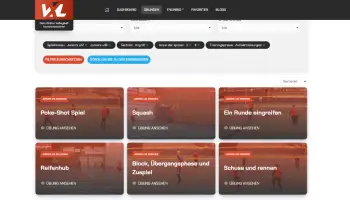
Many of these exercises are available in our video library. Watch below:

Card image
u18, Seniors
Sit and vertical
Card image
u18, Seniors
Squats
Card image
u18, Seniors
Deadlift
Card image
u18, Seniors
Calf Raises

Turn this into a mini circuit: 30 seconds per exercise, 3 rounds.

Position-specific strength focus

Each position has its own demands. Adjust your strength work accordingly:

  • Middle blockers: focus on vertical jump and core—explosiveness off the ground is key.
  • Setters: core strength, shoulder mobility, and light upper-body work.
  • Liberos: quick first step, low stance, strong hamstrings and core.
  • Outside hitters: all-around strength—jump, push, rotate, and stabilize.

You can emphasize these differences during group sessions by assigning role-specific variations.

Training with limited gym time

Even with just one or two practices per week, you can still build strength effectively:

  • Use 10-minute blocks: integrate three bodyweight exercises into your warm-up or cool-down.
  • In-gym circuits: mix strength and skill stations in your regular gym setup.
  • Home programs: assign three basic exercises to do at home (e.g., squats, planks, lunges).
  • Challenges: who holds a plank the longest? Who improves vertical jump in 4 weeks?

Tip: use your team app to share short videos or reminders to keep players engaged between sessions.

How to measure progress

You don’t need fancy equipment to track improvement. Simple tests work well:

  • Measure vertical jump height against a wall, and test again after six weeks.
  • Run a plank hold challenge—track and compare times.
  • Count max reps of a given bodyweight exercise (like push-ups or squats).
  • Make progress visible and fun to motivate players.

The mental side of strength training

Strength training isn’t just physical. It also boosts mental resilience, confidence, and discipline. For younger players especially, developing physical control often goes hand in hand with personal growth.

Athletes who feel strong are more confident, more willing to take risks, and more stable on the court, literally and mentally.

Nutrition: the forgotten key to strength

Strength gains don’t happen in the gym alone. Without proper nutrition, recovery suffers, muscle growth slows, and injury risk increases. Protein is especially important: think yogurt, eggs, nuts, or chicken after training. Carbs (for energy) and hydration are essential too. Encourage players to eat something nutritious within an hour after practice. For youth teams, involve parents where possible. Smart nutrition can make the difference between stagnating and truly progressing.

Final thoughts: strength belongs in every program

Strength training is essential for every volleyball athlete: whether you’re in a high-level club or working with a youth team. With smart planning, practical tools, and a bit of creativity, you can help your players become stronger, more explosive, and more resilient, on and off the court.

Populair blogs