5 Serve receive tips to improve the first pass

07/03/2026 |

A strong serve receive can completely change the quality of your volleyball offense. When the first pass is under control, the setter has more options, attackers can stay in rhythm, and your team can put pressure on the opponent right away.

But serve receive is not just about “getting the ball up.” It is about reading the server, moving early, creating a stable platform, communicating clearly, and training under realistic pressure. These habits help players become more reliable in one of the most important moments of the rally: the first contact after the serve.

In this blog, we share 5 practical serve receive tips that coaches can use to help players improve their passing and build a stronger side-out game.

DSC4188 Myrthe 1

1. Read the server before the ball is hit

Serve receive starts before the ball crosses the net. A passer should not only watch the ball, but also read the server. The server’s body position, toss, arm swing, contact point, and approach can give important clues about where the ball is going and what type of serve is coming.

For example, a float serve often has little or no spin and can move late in the air. A topspin serve usually travels faster and drops more aggressively. A short serve requires quick movement forward, while a deep serve asks the passer to adjust early and stay balanced.

The earlier players recognize the serve, the more time they have to move into the right position. This makes the pass less rushed and more controlled.

Coaching cues:

  • Watch the server before the ball is contacted.
  • Recognize the type of serve as early as possible.
  • Adjust your starting position based on the server.
  • Stay ready for short, deep, float, and topspin serves.

Training idea: Let servers alternate between short, deep, float, and topspin serves. Before passing, the passer has to call what they see: “short”, “deep”, “float”, or “topspin”. This helps players connect visual recognition with movement.

2. Move first, pass second

One of the most common mistakes in serve receive is reaching with the arms instead of moving with the feet. When players are late with their footwork, they often try to solve the problem with their platform. This usually leads to swinging arms, poor angles, and uncontrolled passes.

A good passer tries to get behind the ball before contact. The platform should finish the action, not compensate for poor positioning. Players should use small, quick adjustment steps and stay low, balanced, and ready to move in any direction.

The goal is to pass from a stable body position. When the feet are active and the body is balanced, the platform becomes much easier to control.

Coaching cues:

  • Move before the ball drops.
  • Keep your weight slightly forward.
  • Use small adjustment steps.
  • Try to pass with your body behind the ball.
  • Avoid reaching sideways with only your arms.

Training idea: Start with a passer in serve receive position. The coach or server plays balls short, deep, left, and right. The passer only scores a point when they are balanced before contact and pass to the target zone.

3. Build a calm and stable platform

The platform controls the direction of the pass. Many players try to “hit” or “lift” the ball too much with their arms. In serve receive, a calm platform is often more effective.

The angle of the arms should guide the ball toward the target. Especially against float serves, passers need to keep the platform quiet and avoid unnecessary movement at contact. A stable platform gives the setter a better chance to run the offense with multiple attacking options.

A good platform is stable, angled toward the target, connected to the body, and controlled through the shoulders. The player should not swing wildly at the ball. Instead, the passer should let the platform angle and body position do most of the work.

Coaching cues:

  • Create your platform before contact.
  • Keep the arms quiet at contact.
  • Angle the platform toward the target.
  • Use your legs and body position to control the pass.
  • Do not swing your arms too much.

Training idea: Use a clear target zone near the setter position. A perfect pass scores 2 points, a playable pass scores 1 point, and an overpass or ace scores 0 points. This makes the quality of the pass measurable and gives players a clear goal.

Niels passen

4. Use serve receive drills with a clear purpose

Serve receive improves when players get many repetitions in situations that look like the game. Isolated technique work can be useful, but players also need to pass live serves, communicate with teammates, make decisions, and respond to pressure.

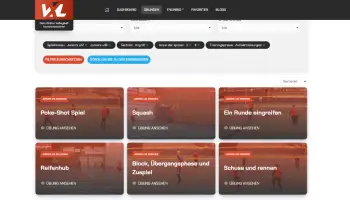
Good serve receive drills should include real serves from across the net, different serve types, a clear target zone, movement before contact, communication between passers, and scoring or pressure elements. This helps players transfer their technique into real match situations.

You can use drills where players pass to a target, rotate after each pass, compete in teams, or continue the rally after the serve receive. The more game-like the drill becomes, the better players learn to handle pressure.

Card image
u18, Seniors
Serve pressure
Card image
u18, Seniors
Side-out won, serving team plays 1 downball to the setter
Card image
u18, Seniors
2 vs 2: receive-attack on position 5-6, defend on position 5 or 6
Card image
u18, Seniors
Zoom 16
Card image
u18, Seniors
Side-out + 1 free ball, set to middle or position 4
Card image
u18, Seniors
Three Times Side-out + Freeball B

Training idea: Choose 3 or 4 serve receive drills and build them up in levels. Start with controlled serves and a clear target. Then add movement, communication, scoring, and finally a full rally after the pass.

This progression helps players develop confidence step by step. They first learn the technique, then apply it with movement, and finally use it in a realistic volleyball situation.

5. Communicate early and take responsibility

Serve receive is a team skill. Even when one player passes the ball, the whole team is involved in the organization. Players need to know who takes the seam, who takes short serves, who takes deep serves, and where the target is.

A lot of serve receive mistakes happen between two players. One player thinks the other will pass. Both players hesitate. Or two players go for the same ball and disturb each other. Clear communication prevents many of these mistakes.

Players should call the ball early with “mine” or use names when needed. The earlier the call, the more confidence the passer has. Communication should be simple, short, and functional.

Coaching cues:

  • Make serve receive agreements before the rally starts.
  • Call the ball early and clearly.
  • Know who takes the seam between two passers.
  • Take responsibility after making the call.
  • Keep communication short and useful.

Training idea: Play with three passers. A pass only counts when the player clearly calls the ball before contact. If there is no call, the team gets no point, even if the pass is good. This teaches players that communication is part of the skill.

How to build serve receive into your practice

A good serve receive practice should move from simple to complex. Start with recognition and controlled passing, then add movement, communication, serve pressure, and finally game-like situations.

For example, your practice could look like this:

  • Start with a passing warm-up focused on platform control.
  • Add movement to short, deep, left, and right balls.
  • Let servers alternate between different serve types.
  • Train with three passers and clear communication rules.
  • Finish with a side-out game where teams can only score after a playable first pass.

This creates a logical build-up. Players first develop control, then learn to apply that control under pressure.

Final thoughts

Serve receive is one of the most important skills in volleyball. A strong first pass gives the setter more options, helps attackers stay in rhythm, and makes your offense much harder to defend.

To improve serve receive, focus on five key areas:

  • Read the server early.
  • Move before passing.
  • Create a stable platform.
  • Train with purposeful serve receive drills.
  • Communicate clearly as a team.

By training these habits consistently, players become more confident, more reliable, and better prepared for match situations.

Want to improve your team’s first pass? Explore our serve receive volleyball drills and add them to your next training session.

Populair blogs