Outside Hitter in Volleyball: Role, Position and Skills

An outside hitter is one of the most important all-round players in volleyball. Also called a left-side hitter or outside attacker, this player usually attacks from the left side of the court, passes in serve receive, defends in the back row and blocks the opponent’s right-side attack.

Because outside hitters are involved in so many phases of the game, they need a strong combination of attacking, passing, defense, blocking, communication and transition skills. This page explains what an outside hitter does, where they play, which skills they need and how to train the position effectively.

outside hitter

Quick answer: An outside hitter in volleyball is a front-row and back-row player who usually attacks from the left side, passes in serve receive, defends in the backcourt and blocks the opponent’s opposite hitter. It is one of the most complete positions on the court.

What is an outside hitter in volleyball?

An outside hitter is a volleyball player who usually attacks from the left side of the net. The position is also known as left-side hitter, outside attacker or outside spiker. In many teams, the outside hitter is one of the main attacking options and one of the most important passers in serve receive.

The outside hitter position is demanding because the player must contribute in almost every phase of the rally. An outside hitter needs to attack high balls, pass difficult serves, defend hard-driven attacks, block at the net and transition quickly from defense to offense.

If you are still learning the basic structure of the game, start with our overview of volleyball positions. For technical foundations, you can also read our guide to volleyball fundamentals.

What does an outside hitter do?

An outside hitter’s main job is to attack from the left side, but the role is much broader than hitting. Outside hitters are often responsible for passing in serve receive, defending in the back row, blocking the opponent’s right-side attacker and helping the team stay balanced in transition.

In a rally, an outside hitter may first pass the serve, then move into an attacking approach, then cover another hitter, then defend and attack again. This makes the position one of the most active roles in volleyball.

  • Attack: scoring or creating pressure from the left side of the net.
  • Serve receive: passing serves accurately to help the setter run the offense.
  • Defense: digging attacks and free balls in the backcourt.
  • Blocking: stopping or slowing down the opponent’s right-side attack.
  • Transition: moving quickly from defense into an attacking approach.
  • Communication: calling the ball, helping passers and coordinating with the setter.

For more information about attacking technique, visit our spiking skill page. For passing and serve receive, use our passing skill page and serve-receive drills.

Where does the outside hitter play?

The outside hitter usually plays on the left side of the court. When the player is in the front row, they often attack from position 4. When they rotate to the back row, they usually help with passing, defense and sometimes back-row attacking.

In serve receive, many teams use outside hitters as primary passers together with the libero. After passing, the outside hitter must quickly move into an attacking position. This requires good footwork, timing and awareness of the setter’s location.

To better understand where outside hitters move on the court, read our guide to volleyball court zones. If you want to understand how outside hitters fit into rotations, our guide to volleyball rotations for beginners is a useful next step.

Key responsibilities of an outside hitter

The outside hitter is often the player who receives the most difficult sets. When the pass is not perfect, setters frequently send a high ball to the outside because it gives the team time to organize the attack. This means the outside hitter must be comfortable attacking in both ideal and difficult situations.

Outside hitters also play a major role in serve receive. A strong outside hitter can handle tough serves and still become available for the attack. This combination of passing and attacking is what makes the position so valuable.

  • Score points from the left side: attack line, cross-court, sharp angle or deep corner.
  • Handle imperfect sets: stay patient and make smart attacking choices.
  • Pass in serve receive: control the first contact so the team can run its offense.
  • Block the opponent’s opposite: close the line or take away the strongest angle.
  • Defend in the back row: dig attacks and keep rallies alive.
  • Cover teammates: protect attackers when the opponent blocks the ball back.

For tactical situations that outside hitters often face, continue with in-system volleyball, out-of-system volleyball, side-out and transition.

Skills every outside hitter needs

A good outside hitter is more than a strong attacker. The position requires all-round skills. Players must be able to pass, hit, block, defend, move efficiently and make smart decisions under pressure.

Attacking skill

Outside hitters need a reliable approach, good timing and the ability to attack different areas of the court. They should not only hit hard, but also use smart shots when the block is well positioned. Learn more about the volleyball approach, spiking technique and how to improve your volleyball attack.

Passing and serve receive

Many outside hitters are key passers. They must read the server, move early and create a stable platform. A good pass allows the setter to use more attacking options. To train this, use our passing drills and serve-receive drills.

Blocking skill

When the outside hitter is in the front row, they often block against the opponent’s opposite hitter. Good blocking requires timing, hand position and the ability to read the setter and attacker. For more detail, visit our blocking skill page and blocking drills.

Defense and transition

Outside hitters must defend, then quickly transition into attack. This is one of the hardest parts of the position. The player has to dig or cover, recover balance and still be ready to attack the next ball. Practice this with defense drills and transition drills.

Outside hitter vs opposite hitter

The outside hitter and opposite hitter are both attacking positions, but they usually have different responsibilities. The outside hitter normally attacks from the left side and often passes in serve receive. The opposite hitter usually attacks from the right side and may have less passing responsibility, depending on the system.

Outside hitterOpposite hitter
Usually attacks from the left sideUsually attacks from the right side
Often passes in serve receiveOften has less passing responsibility
Blocks the opponent’s opposite hitterBlocks the opponent’s outside hitter
Needs strong all-round skillsOften more focused on attacking and blocking
Frequently receives high out-of-system setsOften used as a strong scoring option on the right side

To compare both positions in more detail, read our page about the opposite hitter position. You can also explore the setter position to understand how setters choose between outside, middle and opposite attackers.

How to play outside hitter better

To become a better outside hitter, focus on becoming reliable in every phase of the game. A great outside hitter does not only score points. They pass consistently, make smart attacking decisions, defend with discipline and stay available in transition.

  • Improve your first touch: passing quality determines how often your team can run a strong offense.
  • Develop a consistent approach: your footwork should help you attack with balance and timing.
  • Learn to attack different zones: use line, cross-court, tips and deep shots.
  • Stay available after passing: pass first, then transition quickly into your approach.
  • Read the block: choose smarter shots instead of only swinging hard.
  • Train defense: outside hitters must be able to dig and restart the rally.

For more detailed attacking development, read how to improve your volleyball attack and how varying hitting directions makes your hitter harder to block. For footwork, use our footwork tips and footwork drills.

Best drills for outside hitters

The best outside hitter drills combine passing, transition and attacking. Isolated hitting drills are useful, but outside hitters should also train the full sequence: pass, move, approach, attack, cover and defend.

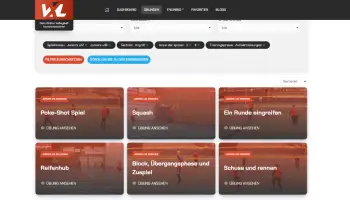
Start with our outside hitter drills. Then combine them with attack drills, hitting drills, passing drills, defense drills and transition drills. For players who attack from both front row and back row, the back-row attack guide is also useful.

Card image
u12, u6
Triple right
Card image
u12, u18, Seniors
José’s butterfly
Card image
u12, u18, Seniors
VSA VSA VSA

Coaches can use these drills as part of a complete practice plan. For session structure, visit our training page, volleyball training plan and guide on how to prepare a complete volleyball training session in 10 minutes.

FAQ about outside hitters

What is an outside hitter in volleyball?

An outside hitter is a volleyball player who usually attacks from the left side of the court. The outside hitter also passes, defends, blocks and plays an important role in transition from defense to attack.

What does an outside hitter do in volleyball?

An outside hitter attacks from the left side, passes in serve receive, defends in the back row, blocks the opponent’s right-side attacker and helps the team stay organized during rallies.

Where does the outside hitter play?

The outside hitter usually plays on the left side of the court. In the front row, this is often position 4. In the back row, the outside hitter usually passes, defends and may attack from behind the attack line.

Is outside hitter a good position?

Yes, outside hitter is a great position for players who like to be involved in every part of the game. It is a demanding role because it requires attacking, passing, defense, blocking and strong communication.

Do outside hitters serve?

Yes, outside hitters serve when their rotation reaches the service position. Like every other player, they must be able to serve consistently and then move into their defensive position after the serve.

Do outside hitters play defense?

Yes, outside hitters play defense, especially when they are in the back row. They must dig attacks, cover teammates and help control free balls so the team can build another attack.

What is the difference between an outside hitter and an opposite hitter?

The outside hitter usually attacks from the left side and often passes in serve receive. The opposite hitter usually attacks from the right side and is often more focused on attacking and blocking.

How can I become a better outside hitter?

You can become a better outside hitter by improving your passing, approach, attacking range, blocking, defense and transition movement. Train the full rally sequence, not only the final attack.

Conclusion

The outside hitter is one of the most complete positions in volleyball. This player attacks from the left side, passes in serve receive, defends in the back row, blocks at the net and constantly moves between defense and offense.

To improve as an outside hitter, focus on all-round development. Work on your passing, attacking, footwork, defense and decision-making. To continue training this position, explore our outside hitter drills, spiking technique and full volleyball drills library.