Volleyball Setting Drills

Are you looking for volleyball setting drills to improve hand position, footwork, ball control, release, and decision-making? On this page, you’ll find focused setting exercises for setters and coaches who want to develop better setting technique in a structured way.

This page focuses specifically on setting and setter development. For a complete overview of drills for every volleyball skill, visit our volleyball drills and training tools page.

From individual setter drills to team-based exercises with a specific focus on the setter, these drills help players improve their overhead technique, footwork, tempo, accuracy, and communication. Quickly check out our setting drills and get inspired for your next setter training session.

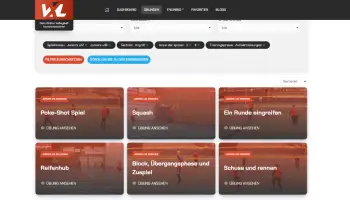
Card image
u12
Double vision
Card image
u18, Seniors
Rebounder sets
Card image
u12
Double vision part 3
Card image
u12, u18
Periphery
Card image
u12
Double vision – part 2
Card image
u18, Seniors
Quad pepper warm-up

Setting drills for volleyball setters

Keen on drills for setting in volleyball? These setting exercises help players refine the details that matter most for a good set: hand position, body posture, footwork, release point, and the ability to move quickly into position before playing the ball.

Good setter training should not only repeat the overhead set. It should also help players read the pass, move efficiently, square up to the target, and deliver a consistent ball to the attacker.

Setter drills for volleyball players

Setter drills help players improve the specific skills they need to run the offense: footwork, hand position, tempo, accuracy, communication, and decision-making. While setting drills can be useful for every player, setter drills are designed especially for the player who has to organize the attack and deliver a consistent ball to the hitters.

Good volleyball setter drills should challenge the setter to move quickly to the ball, square up to the target, choose the right attacking option, and set with control under pressure. These drills are useful for beginner setters, advanced setters, and coaches who want to build more structure into their setter training.

Volleyball drills for setters

Volleyball drills for setters should focus on the actions that happen before, during, and after the set. A setter needs to read the pass, move into position, communicate with attackers, and deliver the ball at the right tempo. That makes setter training different from general team drills.

Useful drills for setters include move-and-set exercises, wall setting, setter footwork patterns, jump setting, transition setting, and decision-making drills with multiple attacking options. These exercises help setters become more consistent and more confident during rallies.

From PDF to video

You probably still remember the picture below: the well-known volleyball exercises in PDF format. At VolleyballXL we thought: this can be easier. A video is much easier to understand than a PDF or an image of a setter drill. Within a few seconds, coaches and setters can see the purpose of the exercise and perform it with the team. You can also show the video directly to your setter, so he or she immediately understands what needs to be done.

Volleyball setting drill example

Tips for setter training

Are you looking for tips for your setter? A setter needs to make teammates better by delivering a consistent ball, choosing the right attacking option, and communicating clearly. That means setter training should focus on more than overhead technique alone. Footwork, body position, tempo, vision, and decision-making are just as important.

Setters should also learn to understand their attackers. They need to know which tempo each hitter prefers, where the attacker wants the ball, and how to adapt when the pass is not perfect. This makes setting practice more realistic and helps setters become stronger leaders on the court.

Three different tempo set-ups

A setter can set attackers at different tempos: first tempo, second tempo, or third tempo. The tempo depends on the attacker’s position, the pass quality, and the offensive system. Setters often agree on these options with their attackers and use hand signals to communicate the play before the rally starts.

Tempo setting is an important part of advanced setter training. By practicing different set tempos, setters learn to speed up the offense, create better attacking opportunities, and make it harder for the opponent’s block to organize.

Setting in volleyball

The setter is one of the most important players on the court. A good setter controls the rhythm of the offense, connects the pass to the attack, and helps each hitter receive a ball they can attack effectively. That is why setting technique deserves specific attention in training.

Volleyball setter setting the ball during practice

Setting drills for beginners

Setting drills for beginners should focus on the fundamentals: hand shape, contact point, soft fingers, body position, and controlled movement to the ball. Beginners need simple exercises that help them feel the correct release and learn to set the ball with control.

A useful beginner setting drill is the self-set and catch drill. Players set the ball above their forehead, hold their shape, and catch the ball in the same position. This helps them understand where the ball should be contacted and how their hands should finish after the set.

Beginner setter drills

Beginner setter drills should help new setters develop confidence with the ball and understand their role on the court. The focus should be on simple movement, clean hand contact, a stable body position, and setting to a clear target.

A good beginner setter drill is move, set, and hold. The setter starts in base position, moves to a tossed ball, sets to a target, and holds the finishing position for a moment. This helps players learn balance, direction, and control before adding more speed.

Volleyball setting drills at home

Improving setting does not only have to happen in the sports hall. Players can also work on setting at home with safe, controlled exercises. At-home setting practice should focus on hand shape, ball control, release, and consistency rather than speed or pressure.

Simple at-home setting drills include wall setting, self-setting, setting while seated, and setting to a target. These exercises help players repeat the movement and improve touch without needing a full court.

Setter drills at home

Setter drills at home are useful for players who want to improve their touch, hand shape, and consistency outside team practice. These exercises should be safe, controlled, and focused on repetition rather than speed or power.

Examples include wall setting to a marked target, self-setting above the forehead, setting while seated, and footwork patterns without the ball. These at-home setter drills help players build better control and rhythm before applying the technique in team practice.

Discover the possibilities of VolleyballXL for setter training and setting practice. Get more inspiration, create more enjoyable sessions effortlessly, and bring more fun to your players.

Discover the possibilities of VolleyballXL.

myrthe stefan

Volleyball setting drills for advanced players

Advanced setting drills should challenge players on speed, precision, footwork, vision, and decision-making. Advanced setters need to deliver consistent balls from imperfect passes, change tempo when needed, and make the right choice under pressure.

Examples of advanced setter drills include transition setting, jump setting, setting after defense, tempo setting with attackers, and decision-making drills where the setter has to choose between multiple attacking options.

Setting drills for one person

Are you specifically looking for setting drills for one person? Individual setter practice is useful for improving hand control, footwork, body position, and repetition. Players can work alone with a wall, a target, or a self-setting routine.

A simple one-person setting drill is the wall target drill. Mark a target on the wall and try to set the ball to the same point for a fixed number of repetitions. This helps players train accuracy, rhythm, and consistency without needing a partner.

Setter footwork drills

Footwork is one of the most important parts of setting. Setters need to move quickly to the ball, arrive in balance, and square their body to the target before releasing the set. Setter footwork drills help players create a stable base and improve the quality of the set.

A useful footwork drill is move-set-recover. The setter starts in base position, moves to a tossed ball, sets to a target, and then quickly returns to the starting position. This trains movement, balance, and recovery between actions.

Setter decision-making drills

Good setters do more than set the ball accurately. They also choose the right attacker at the right moment. Decision-making drills help setters read the pass, see the block, understand hitter availability, and select the best attacking option.

For example, the coach can call out different options after the pass, or blockers can move late so the setter has to adapt. These drills help setters make better choices under realistic pressure.

Setter warm-up drills

Setter warm-up drills prepare players for the technical and physical demands of setting. A good warm-up should activate the hands, shoulders, feet, and eyes before the setter starts working with attackers.

Useful setter warm-up exercises include short wall setting, quick footwork to target, self-set and turn, and partner setting with movement. These drills help setters get into rhythm and improve their first touches during training.

Setter training drills

Setter training drills should connect technique with game understanding. A setter has to move efficiently, communicate with hitters, understand tempo, and stay accurate under pressure. That is why setter training should include more than isolated ball control exercises.

Strong setter training can include footwork patterns, tempo setting, transition setting, jump setting, setting after defense, and decision-making drills with multiple attackers. These exercises help setters become more reliable and more creative during matches.

Setter exercises for volleyball

Setter exercises for volleyball should help players improve both technique and control. Good exercises focus on soft hands, a stable contact point, quick movement, accurate release, and the ability to set from different positions on the court.

Examples include wall setting, setting to a target, one-knee setting, move-and-set patterns, jump set repetitions, and setting from imperfect passes. These setter exercises are useful for players who want more repetition and coaches who want to build a stronger technical foundation.

Create effective setter training sessions with VolleyballXL

VolleyballXL supports coaches in creating focused and effective setter training sessions. Access drills specifically designed to develop setting technique, setter footwork, tempo, communication, and decision-making under pressure. Choose from ready-made setter training ideas or use the training creator to build your own sessions tailored to your team’s level.

Want to explore drills for serving, passing, spiking, blocking, digging, and team play as well? Go to the main volleyball drills and training tools page.

FAQ about setting drills and setter drills

What are the best drills for beginner setters?

DSC4173 Myrthe

The best drills for beginner setters focus on hand position, contact point, body position, and controlled release. Simple exercises such as self-set and catch, wall setting, and setting to a target help beginners build a reliable setting technique.

What are the best setting drills for advanced players?

Advanced players can use drills that focus on tempo, footwork, decision-making, jump setting, and setting after defense. These drills challenge setters to stay accurate while moving quickly and making choices under pressure.

Can you do setting drills at home?

Yes. Players can practice setting at home with wall setting, self-setting, setting while seated, and target setting. These drills help improve hand shape, ball control, release, and consistency without needing a full court.

Why is footwork important for setters?

Footwork helps setters arrive in balance before playing the ball. Good setter footwork improves accuracy, tempo, and consistency because the setter can square up to the target before releasing the set.

What is a good setting drill for one person?

A good one-person setting drill is the wall target drill. Mark a target on the wall and try to set the ball to the same point for a fixed number of repetitions. This trains accuracy, rhythm, and consistency.

What are good setter drills for volleyball?

Good setter drills for volleyball focus on footwork, hand position, release, tempo, accuracy, and decision-making. Examples include wall setting, move-and-set drills, jump setting, transition setting, and drills with multiple attacking options.

What is the difference between setting drills and setter drills?

Setting drills focus on the technique of setting and can be useful for every player. Setter drills are more specific and train the player who runs the offense, including footwork, communication, tempo, decision-making, and setting under pressure.

Can setters do drills at home?

Yes. Setters can practice at home with wall setting, self-setting, setting to a target, seated setting, and footwork patterns without the ball. These drills help improve touch, control, and consistency.

What are good setter warm-up drills?

Good setter warm-up drills include wall setting, short partner setting, quick footwork to target, self-set and turn, and move-and-set exercises. These drills help setters prepare their hands, feet, shoulders, and eyes before training.