Beginner volleyball drills: easy and fun drills for new players

The best beginner volleyball drills are simple, give players lots of touches and feel like a game. Start with catching and tossing, move on to the forearm pass, and only then add setting, serving and small-sided play. Below you’ll find 10 easy drills in that order, a 60-minute practice plan and tips for coaching kids.

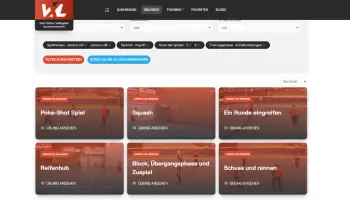
Card image
u18, Seniors
Shot!
Card image
u18
Setters Showdown #1 a Setting Challenge Left kneesit set, right kneesit set
Card image
u18
Setters Showdown #23 a Setting Challenge L R dribble Set kneesit set
Card image
u12, u18, Seniors
Double Dribble
Card image
u18, Seniors
Who bounces the ball
Card image
u18, Seniors
Control Circle

Why easy volleyball drills work

New players struggle with coordination, timing and reading the ball. Easy drills take away that pressure, so they can focus on one thing at a time. That gives you:

A “beginner” can be an 8-year-old or a 30-year-old playing for the first time. Use the age filter in the drill library to pick drills that fit your group.

Start with passing

The forearm pass is the first skill to teach: almost every rally starts with it. Good beginner passing drills help players to:

10 easy volleyball drills for beginners

Ordered from easiest to hardest. Each drill works with 2–12 players and one ball per pair or group.

  1. Toss and catch on the platform. Partner tosses underhand; the player catches the ball on straight forearms, then progresses to bumping it back. Builds the platform before contact gets fast.
  2. Wall passing. One player, one ball, one wall. Pass against the wall and count consecutive contacts. Great for home practice and for very large groups.
  3. Self-passing ladder. Each player works alone and passes the ball straight up above their own head: 5 low passes, then 5 high passes, then alternating forearm pass and overhead set. Trains ball control.
  4. Chaos (Easy → Medium → Hard). Starts with catching and throwing in a crowded area and gradually adds passing and movement. One drill that grows with your group.
  5. 5-3-5-3-5 passing. Five passes forward, three backward, five left, three right and five on the spot. Adds footwork to passing without making it complicated.
  6. Corner pepper. Three or four players in a square pass the ball around the corners. Teaches passing to a target and calling the ball.
  7. Trio 3-corner pepper. Pass, set, controlled hit between three players. The first step towards the pass–set–attack rhythm.
  8. Short-court serving. Players serve underhand from halfway between the attack line and the end line, then take one step back after every two good serves. Success first, distance later.
  9. Challenges (Power Passer, Samurai Setter). Short individual challenges with a score, so every player sees their own progress.
  10. 2 versus 2. Small-sided game on a narrow court with three contacts required. Lots of touches and the first real game situations.

More drills and technique guides for beginners:

Sample 60-minute beginner practice

TimeBlockDrills
0–10 minWarm-upChaos (Easy), toss and catch on the platform
10–25 minPassingWall passing or self-passing ladder, then 5-3-5-3-5
25–35 minBall controlCorner pepper, Trio 3-corner pepper
35–45 minServingShort-court serving
45–60 minGame2 versus 2, rotate courts every 3 minutes

Want a plan ready to use?

Drills for kids and young beginners

Young players need clarity, repetition and lots of success moments. With kids and elementary school groups, focus on:

Let them catch the ball before they bump it, use lighter or bigger balls and lower the net. Keep explanations under 30 seconds and get the ball moving.

Build a beginner practice in VolleyballXL

Every drill comes with video, coaching cues and variations.

Get more inspiration, create more enjoyable training sessions effortlessly, and bring more fun to your players.

Discover the possibilities of VolleyballXL.

myrthe stefan

FAQ

What should a beginner volleyball player learn first?

The forearm pass. Nearly every rally starts with it, and without a reliable pass it’s hard to set or attack. Teach the ready position, a flat platform and guiding the ball to a target.

How should a beginner train for volleyball?

Short, focused blocks with lots of repetition: passing, setting, serving and footwork, finished with a small-sided game. Keep groups small so everyone touches the ball often.

How can beginners learn the underhand pass?

Feet shoulder-width apart, knees bent, arms straight and together. Start with a partner tossing the ball and catching it on the forearms, then bump it back.

What simple exercises help beginners get better at serving?

First practise a consistent toss. Then serve underhand from a short distance and move back only after two good serves in a row.

What is the 5-3-5-3-5 passing drill?

A passing drill with movement: five passes forward, three backward, five left, three right and five on the spot. It adds footwork while keeping accuracy the main goal.

What are good volleyball drills for kids?

Toss and catch, wall passing, corner pepper and small games like 2 versus 2 with a low net. Keep it playful and let them succeed often.