How to coach in volleyball: the complete guide for modern volleyball coaches

11/14/2025 |

Learning how to coach volleyball is both exciting and challenging. Whether you’re coaching youth volleyball, middle school volleyball, high school volleyball, club volleyball, or you’re coaching volleyball for the first time, every coach faces the same goal: helping players grow with structure, confidence, and clear guidance.

This guide gives you practical coaching tips (or read this blog with tips), clear technical explanations, and proven methods you can use right away. It’s designed for volleyball coaches who want to learn the basics, improve their coaching techniques, or become the kind of coach players trust, whether you’re becoming a volleyball coach for the first time or trying to reach the next level.

If you’re searching for how to coach volleyball, how to be a volleyball coach, or coaching volleyball for beginners, this is your complete, practical resource.

What makes a good volleyball coach

The best volleyball coaches keep things simple. They’re not defined by complicated systems or big speeches, but by the clarity they give to their players. A strong coach explains volleyball skills in a way that players understand immediately. They use short coaching cues, repeat them consistently, and create training sessions that build confidence.

A good coach observes more than they talk. They recognize where mistakes come from, such as timing, footwork, spacing, or reading the game, and they adjust small details to create big improvements.

Most importantly, a great volleyball coach creates an environment where players know why they’re practicing something. When players understand the purpose, they improve faster and stay motivated longer.

If you want to learn how to be a good volleyball coach, remember this: clarity creates confidence, and confidence creates better volleyball.

Volleyball coach training players

Starting strong as a first-time coach

If you’re coaching volleyball for the first time, especially in youth volleyball coaching or middle school volleyball coaching, volleyball can feel complex. Serve receive patterns, rotations, blocking systems, transition offense… where do you start?

Start small. Start simple. Start with the basics.

The core skills every beginning volleyball coach should teach are:

  • serving
  • passing (serve receive)
  • setting
  • hitting
  • simple rotations

You don’t need advanced systems or complicated quick-set plays. When coaching beginner volleyball, simple structures lead to more learning.

Small-sided games like 2v2, 3v3 and 4v4 work especially well in youth volleyball and middle school volleyball. Players get more touches, learn spacing faster, and stay active throughout the training.

Beginner coaching also benefits from short, simple cues such as:

  • platform still
  • move your feet first
  • high hands
  • open -> step -> jump -> swing

If you’re looking for coaching volleyball 101 or a practical volleyball coaching guide, start with cues like these. They are the foundation of effective coaching for anyone learning how to be a volleyball coach.

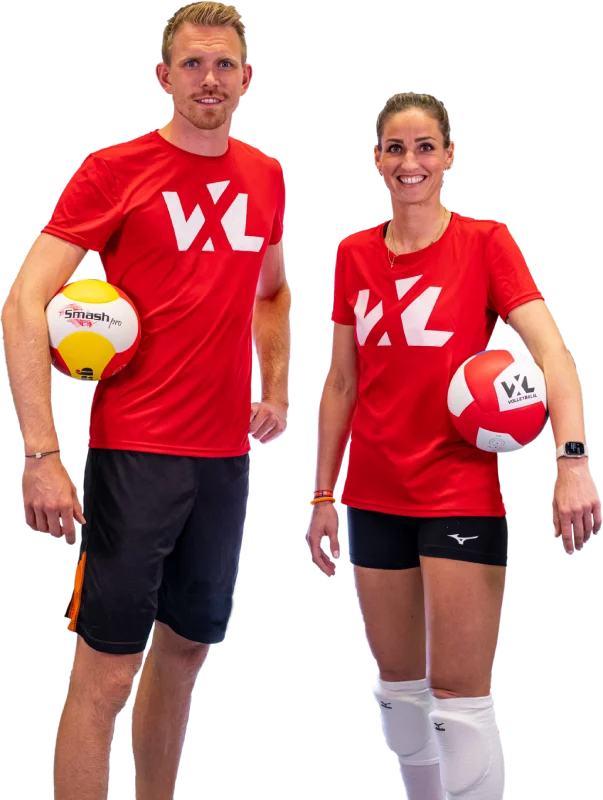
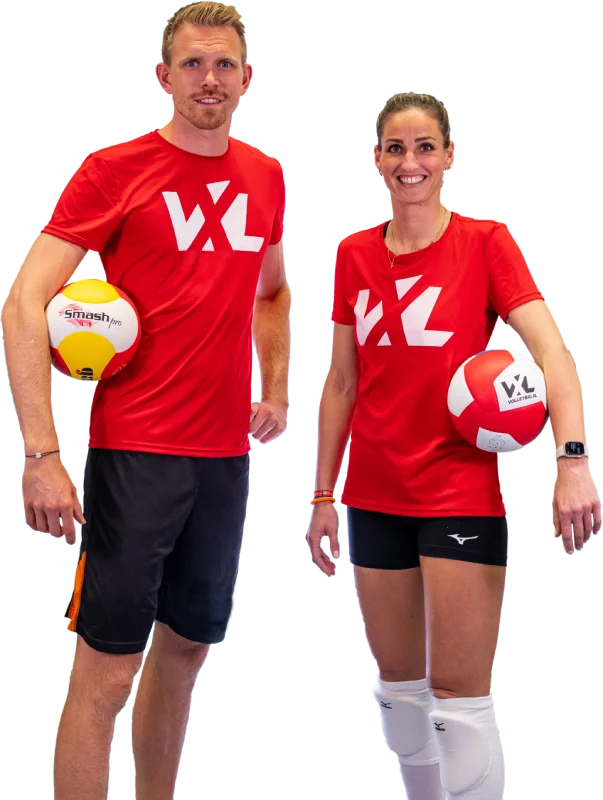
At VolleyballXL, we believe training should be fun, dynamic, and inspiring. Players learn faster when drills are engaging and full of energy, and that’s why we offer ready-to-use exercises and custom training plans that help you coach with confidence and variety.

Discover the possibilities of VolleyballXL!

myrthe stefan

How to structure an effective volleyball practice

A strong volleyball training session has flow. It should guide players from movement to technique, to game-like situations, to competition. Whether you’re coaching junior high volleyball, high school volleyball, coaching a girls volleyball team, or coaching volleyball for beginners, the structure stays the same.

Warm-up

Keep it dynamic and volleyball-specific. Players should move, react, pass, and play. A good warm-up prepares both body and mind and sets the tone for focused learning.

Technical block

Here you focus on one skill. Not three, not five, one. That’s what makes great coaches stand out. For example, you can focus on passing technique, setter footwork, attack approach, or blocking technique. One theme per training brings clarity and focus, whether you are coaching high school volleyball or youth volleyball.

Game-like phase

This is where most learning happens. You move from isolated techniques to situations that look and feel like real volleyball. Think of side-out scoring, transition play, serve pressure sequences, or fast 4v4 systems. Game-like training builds better volleyball IQ and prepares players for match situations.

Competitive finish

End with energy. A short, competitive challenge like King of the Court keeps motivation high and finishes the training on a positive note. This works equally well when coaching middle school volleyball, coaching high school volleyball, or coaching club volleyball teams.

If you’re exploring coaching volleyball for dummies, volleyball coaching basics, or beginning coaching techniques, this structure is the simplest and most effective way to run your sessions.

The essential volleyball skills every coach must teach

Whether you’re coaching beginners or aspiring club players, every volleyball coach must understand and teach the core skills. These skills are the foundation of everything else, especially for coaches looking for coaching volleyball skills, volleyball coaching techniques, or coaching volleyball for beginners in a clear and simple way.

Passing and serve receive

Passing determines offensive rhythm. A stable platform, forward body position, and quick footwork create the foundation for consistent serve receive. This is critical in youth volleyball coaching, middle school volleyball coaching, and high school volleyball coaching.

Useful coaching cues include:

  • angle early
  • freeze your finish
  • platform to target

Common mistakes include a moving platform, standing too tall, or reacting late. Fix the feet first, then the platform. Simple, consistent tips for volleyball like these help beginners improve quickly.

Volleyball passing drill

Setting

The setter controls the flow of the game. Teach setters to start with high hands, move under the ball instead of reaching, and finish with a smooth, high follow-through. This is essential whether you’re coaching youth girls volleyball, club volleyball, or high school volleyball.

Coaching cues that work well:

  • high hands early
  • move your feet
  • finish high

If you want to become a trusted volleyball coach for setters or attackers, mastering these basics is essential. Many volleyball coaching courses and free online volleyball coaching courses start with exactly these key points.

Hitting

Hitting isn’t about power, it’s about timing. The last two steps of the approach should be fast and explosive. Teach players to open their hips, reach high, and swing in one fluid motion. That’s true whether you’re coaching 6th grade volleyball, coaching 7th grade volleyball, or working with advanced outside hitters.

  • fast last two steps
  • reach high
  • open -> step -> jump -> swing

Beginners often jump too early or swing without full extension. Timing solves most issues and should be a key part of any guide to coaching volleyball or coaching volleyball basics program.

Blocking

Blocking requires reading the game. Train players to watch the hitter’s shoulder, maintain a balanced ready position, and penetrate hands early over the net. In both youth volleyball and high school volleyball, this turns blocking from a guess into a skill.

  • press early
  • eyes on hitter
  • penetrate first

Blocking becomes much easier when players learn to read instead of just reacting to the ball. These volleyball coaching points are crucial for any coach who wants to improve team defense and transition play.

Defense

Defense is attitude as much as technique. Low posture, quick steps, and anticipation make defenders more effective. In youth volleyball coaching and middle school volleyball coaching, teaching defensive courage is just as important as teaching proper form.

A team that believes every ball is playable becomes very hard to beat. That mindset should be part of every volleyball coaching guide or coaching volleyball for beginners curriculum.

Coaching during matches

Match coaching is different from training. Instead of teaching technique, you guide rhythm, mindset, and decision-making. You identify patterns, provide short tactical notes, and help players stay calm.

During time-outs, give one or two clear instructions. Keep the message simple, especially when coaching girls volleyball teams, junior high volleyball, or early high school volleyball where players are still developing emotional control.

Good coaches help teams stay focused, confident, and composed. This is what separates a basic coach from someone who is truly coaching volleyball successfully.

Practical tips you can use immediately

If you want fast improvement in your coaching for volleyball, remember these three principles:

  • choose one theme per practice
  • repeat the same message in different forms
  • speak less, observe more

Game-like learning is essential. Volleyball players develop faster when they experience realistic situations rather than isolated drills. That’s true for coaching middle school volleyball, coaching high school volleyball.

And finally: your energy matters. Your team will always match your tempo, focus, and positivity. Whether you are working toward becoming the best volleyball coach you can be, learning how to coach youth volleyball, or preparing for a volleyball coaching course level 1, these principles will set you up for success.

Ready to improve your volleyball coaching

If you’re searching for phrases like volleyball coaching tips for beginners, how to coach a girls volleyball team, coaching middle school volleyball for dummies, how to become a volleyball coach, coaching volleyball 101, coaching volleyball basics or coaching a volleyball team for the first time, you’re already on the right path to becoming a more confident and effective coach.

Want more ready-to-use drills, training plans, videos, and coaching guides from beginner volleyball coaching to high school volleyball coaching and youth volleyball coaching?

At VolleyballXL, you’ll find everything you need to coach with structure, confidence, and inspiration, whether you coach beginners, youth, or advanced players.

Populair blogs